WHAT IS A 4-POINT INSPECTION AND WHY HOMEOWNERS MAY NEED ONE
A 4-point inspection is one of the most important evaluations requested by insurance companies, especially for older homes. Unlike a full home inspection---which examines all visible and accessible components---a 4-point inspection focuses specifically on four major systems that have the highest potential to fail and cause costly damage.
Insurance providers often require this type of inspection before issuing or renewing a homeowners policy because these four systems directly impact the overall safety, reliability, and insurability of the home. Understanding the purpose of a 4-point inspection helps homeowners prepare, remain compliant, and reduce the risk of unexpected expenses.
What Exactly Is a 4-Point Inspection?
A 4-point inspection is a targeted review of the following critical systems:
1. Electrical System
Inspectors evaluate:
• Electrical panels and breakers
• Wiring type and condition
• GFCI/AFCI protection
• Evidence of overheating
• Proper grounding
• Safety hazards
2. Plumbing System
The plumbing inspection focuses on:
• Visible supply lines
• Drain and waste systems
• Water heater age and condition
• Signs of leaks or corrosion
• Proper installation
3. HVAC (Heating and Cooling System)
The inspector evaluates:
• System functionality
• Age of units
• Proper installation
• Ductwork condition
• Signs of leaks or rust
• Overall efficiency
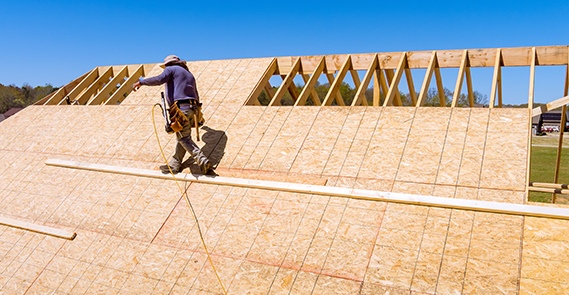
4. Roof Condition
The roof portion of the inspection typically includes:
• Roofing material type
• Age of the roof
• Signs of leaks or hail damage
• Ventilation adequacy
• Soft spots or sagging
• Flashing condition
Why Insurance Companies Require a 4-Point Inspection
Older homes tend to have systems that are more likely to fail. These failures are often costly, leading to high insurance claims. By requesting a 4-point inspection, insurance providers can evaluate the overall risk of the home, whether systems are up to modern safety standards, if a home qualifies for insurance coverage, and whether repairs or updates are required before approval.
How a 4-Point Inspection Differs From a Full Home Inspection
A full home inspection includes a comprehensive review of the structure, foundation, roofing, electrical, plumbing, HVAC, attic, exterior, interior features, safety devices, and appliances. A 4-point inspection only evaluates the four major systems most relevant to insurance risk.
When Should a Homeowner Get a 4-Point Inspection?
You may need a 4-point inspection if:
• You're applying for a new homeowners insurance policy
• Your policy is being renewed on an older home
• Your insurer requested documentation for risk assessment
• You're purchasing a home that is more than 20--30 years old
Benefits of a 4-Point Inspection
• Helps homeowners secure insurance coverage
• Identifies hazards before they become serious
• Provides peace of mind
• Highlights major repair needs
• Reduces risk of expensive emergencies
"A 4-point inspection gives you clarity on the health of your home's most important systems. I take pride in providing detailed evaluations that help protect your property and keep you fully informed when working with insurance providers." - Randy Grajeda, Owner & Certified Home Inspector

Brothers Home Inspection PLLC is located in and proudly serves the Laredo, Texas region, offering accurate and efficient 4-point inspections that help homeowners meet insurance requirements and understand the condition of their essential home systems.